Types of Sea Vessels
Have you ever noticed how important types of sea vessels are in daily life, especially in an archipelagic country like Indonesia?
Ships are not only a means of transporting goods and passengers but also play a vital role in supporting fishermen, industries, and even scientific research.
With various sizes and functions, ships come in many types of sea vessels to meet different needs across waters.
For fishermen, boats are usually powered by outboard engines that are practical and efficient. However, the maritime world doesn’t stop at fishing boats alone.
Different Types of Sea Vessels and Their Functions
The types of sea vessels in Indonesia can be categorized based on several aspects, one of which is their function.
According to Danang Kurniawan in the book *Fundamentals of Ship Construction Techniques* (2022), the classification of ship types by function is seen from their operational use.
Each type of ship is designed specifically to meet different needs in the maritime and ocean transport sectors, such as trade, distribution, production, and defense.
With this classification, every maritime and sea transportation activity can run more efficiently and productively.
There are at least 17 main types of sea vessels, each serving unique purposes in maritime transport, defense, or exploration. Below is a categorized list of the most common sea vessels used worldwide.
1. General Cargo Ship
The general cargo ship is one of the most widely used cargo vessels in Indonesian and global waters.
This vessel is designed to carry various types of goods such as dry items, equipment, and manufactured products.
It is versatile and flexible, making it suitable for transporting different kinds of cargo according to operational needs.
2. Container Ship
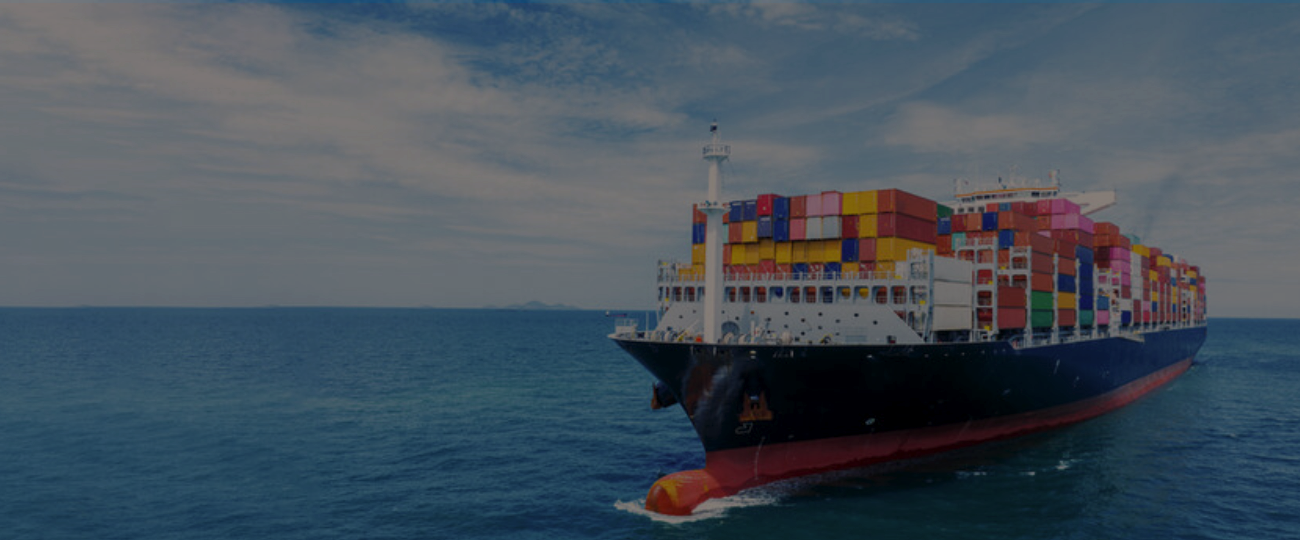
A container ship is a type of maritime vessel specifically designed to carry standardized shipping containers.
Its main function is to make cargo transportation more efficient and organized.
Unlike general cargo ships, container ships transport loads packed in containers, which makes loading and unloading easier and enables safe, fast international shipping.
3. Bulk Carrier
Another classification of ships by function is the bulk carrier.
This vessel is designed to transport bulk commodities such as iron, coal, grains, and other minerals.
Bulk carriers have large capacity and special structures to store and move bulk goods efficiently.
4. Log Carrier
Log carriers are types of sea vessels designed to transport logs and large timber.
They feature a special configuration to maintain the stability of the cargo during voyages, ensuring the wood arrives in good condition.
5. Warship
A warship is a naval vessel used for military operations and national defense.
This vessel is equipped with advanced technology, including weapon systems, navigation, and communication devices, to support defense missions.
6. Ro-Ro Ship (Roll-on/Roll-off)
Ro-Ro ships, also known as ferries, are designed to carry both vehicles and passengers.
These vessels allow vehicles to roll on and off via ramps, making loading and unloading faster and more efficient.
They are especially popular in Indonesia for short to medium-distance inter-island routes.
7. Cruise Ship
Cruise ships are luxury vessels designed for leisure travel.
They operate on longer routes, offering entertainment, restaurants, shops, and other amenities.
They serve as floating hotels, providing passengers with comfort and an enjoyable travel experience.
8. Tugboat
A tugboat is a type of vessel used to guide, tow, or push large ships, especially in ports.
Equipped with powerful engines and high maneuverability, they ensure the safe movement of other vessels in tight waters and emergency conditions.
9. Dredger Ship
Dredgers are designed to remove sediments and materials from the seabed or riverbeds.
They are commonly used in port development, land reclamation, and waterway maintenance projects, equipped with specialized dredging equipment.
10. Barge (Pontoon)
Barges are versatile flat-bottomed vessels widely used in Indonesia to carry bulk materials like coal and sand.
They can operate in shallow waters, lakes, and rivers, making them crucial for reaching remote areas.
11. Tanker
Tankers are ships designed to transport liquids such as crude oil and petroleum products.
Unlike regular cargo ships, tankers feature specialized storage tanks that are vital for meeting global energy demands.
12. Hospital Ship
Hospital ships are floating medical facilities designed to provide healthcare services at sea.
They are commonly deployed during natural disasters, conflicts, or humanitarian missions.
13. Floating Crane
Floating crane vessels are equipped with large cranes to lift heavy loads.
They are used in maritime construction, heavy cargo transfers, and salvage operations.
14. Research Ship
Research ships are vessels used for scientific exploration in the ocean, including oceanography, marine biology, and geology.
They are equipped with laboratories and advanced instruments for observation and sampling.
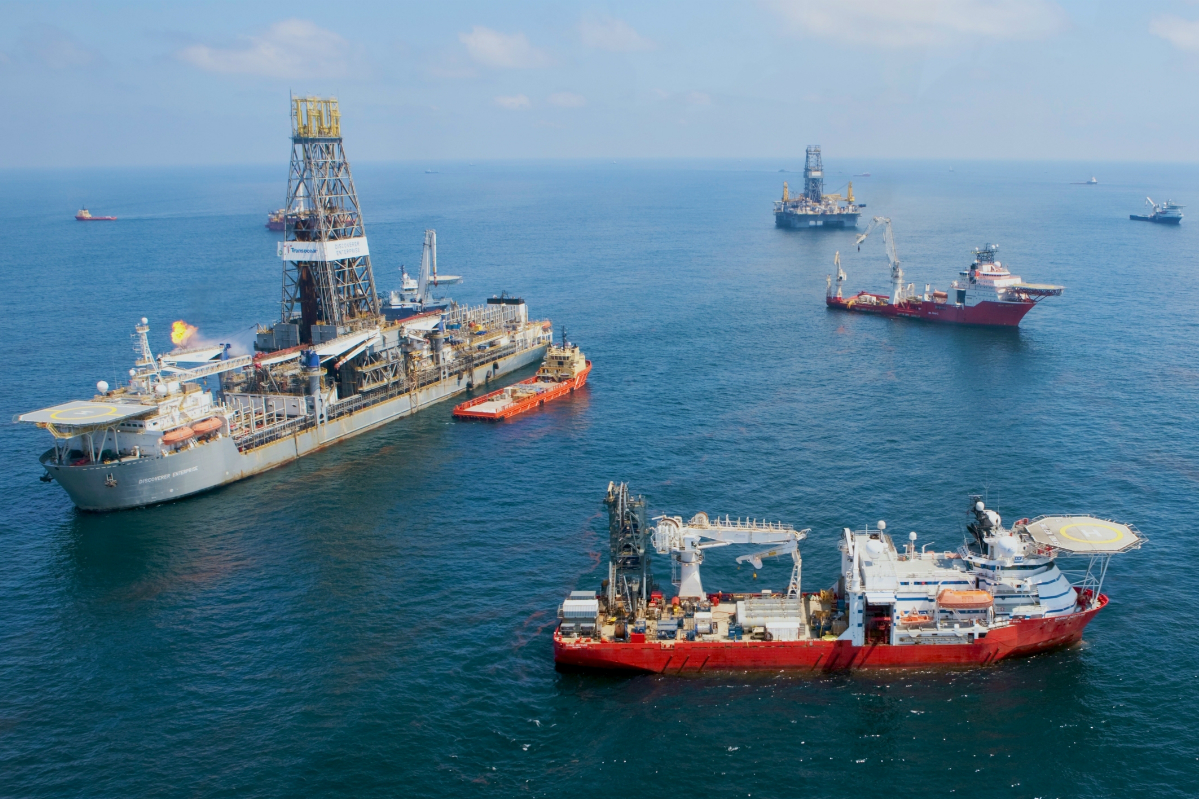
15. Offshore Support Vessel (OSV)
In the offshore oil and gas industry, OSVs provide essential support. They transport logistics, assist in drilling, house workers, and install heavy equipment.
Common OSVs include:
• AHTS (Anchor Handling Tug Supply Vessel) – handles anchors and provides heavy-duty logistics.
• AWB (Accommodation Work Barge/Boat) – serves as floating accommodation for offshore crews.
• PSV (Platform Supply Vessel) – delivers supplies like fuel, water, and chemicals to drilling platforms.
Conclusion
The many types of sea vessels are designed to serve different purposes, from transporting cargo and passengers to defense and offshore energy operations.
Each vessel plays an irreplaceable role—whether it’s a general cargo ship for trade, a cruise ship for tourism, a tugboat for maneuvering, or offshore support vessels like AHTS and PSV that drive energy operations.
By understanding the types of sea vessels and their functions, we can better appreciate their critical importance in supporting society, the national economy, and even global energy resilience.